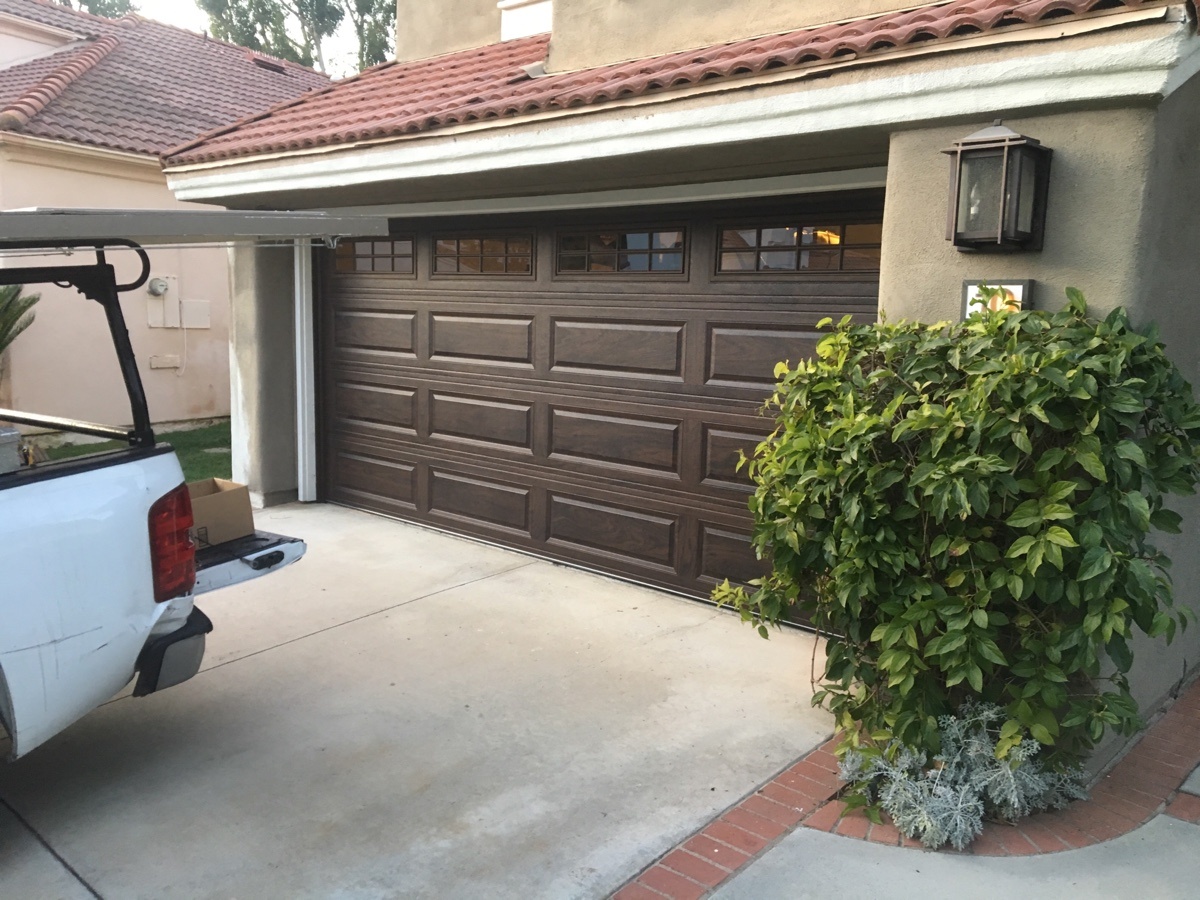

Understanding the Basics of Garage Door Safety
Garage doors are large, powerful moving systems — and while they’re designed to operate smoothly and safely, a little awareness goes a long way in reducing risk. Whether you’re a new homeowner or simply haven’t given your garage door much thought, understanding the fundamentals of garage door safety can help prevent accidents and keep everything functioning properly.
Below are key areas of safety that many homeowners consider when using or maintaining a garage door system.
1. Stay Clear of Moving Parts
Garage doors operate with heavy springs, tension cables, and motorized tracks — all of which move under force. It’s important to keep children, pets, and objects away from the door when it’s in motion. Never try to “race the door” as it closes, and avoid placing anything in its path.
2. Test the Auto-Reverse Function
Modern automatic garage door openers come equipped with a safety reverse system that stops and reverses the door if it encounters an obstruction. To test this, place a block of wood or similar object on the ground where the door would close. If the door doesn’t reverse immediately upon contact, the opener system may need servicing.
3. Be Cautious with Manual Releases
Most doors have a manual release cord (usually red) that allows the door to be operated by hand in case of a power outage. Pulling this release when the door is open or misaligned can cause it to drop quickly. Only use the manual release when the door is fully closed and you understand the mechanics.
4. Keep Controls Out of Reach of Children
Wall-mounted controls should be placed at a height that’s inaccessible to small children. Remotes and smart openers should also be used responsibly to prevent unintentional operation.
5. Don’t Attempt to Adjust Springs or Cables
Garage door springs are tightly wound under high tension and can cause injury if mishandled. While it’s fine to visually inspect these components, any adjustments or replacements should be left to professionals.
6. Perform Routine Safety Checks
Regularly checking the door’s balance, spring condition, track alignment, and photo-eye sensors (the small boxes near the base of the door frame) can help catch problems early. Dust, sun exposure, or alignment issues can cause these safety features to malfunction if not maintained.
7. Secure the Garage from Unauthorized Access
Garage doors are often an entry point to the home. Consider using rolling code openers, locking mechanisms, or smart systems to reduce the risk of break-ins. Keeping the remote out of sight in parked vehicles is another simple precaution.
A garage door is one of the largest and heaviest moving parts in any home — but with a little knowledge and care, it can be both convenient and safe for daily use.